Staff Management Mistakes Nigerian School Owners Make (And How to Fix Them)
The Day She Walked In With a Letter
Mrs. Obiageli had been with the school for six years. She taught Primary 4, handled the school's inter-house sports committee, and was the kind of teacher that parents specifically requested when enrolling their second child. She was, by any measure, one of the most valuable people in the building.
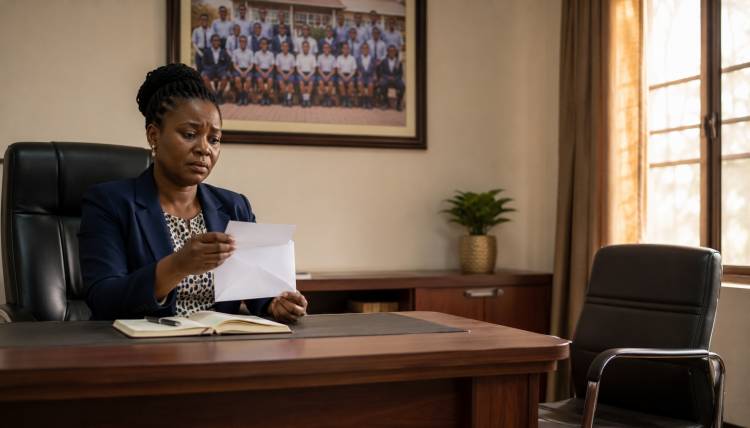
She walked into your office on a Monday morning in October, placed a white envelope on your desk, and said she was resigning at the end of the term.
You were stunned. You asked why. She said it was personal. She thanked you for the opportunity and turned to leave.
Later, you found out through the staffroom grapevine that she had been offered a position at another school for fifteen thousand naira more per month. Fifteen thousand naira. An amount that, had you known she was considering leaving, you might have been able to work with. But because there was no formal salary review process, no appraisal system, no regular conversation about how staff were feeling in their roles, you had no way of knowing she was unhappy until the letter was already on your desk.
She left at the end of December. You spent all of January trying to find someone who could fill even half of what she brought to that classroom.
This is not a story about a difficult teacher. It is a story about a gap in your systems.
The Mistakes Most School Owners Do Not Know They Are Making
Staff management is one of those things that Nigerian school owners often handle on instinct. You hire someone because they seem capable. You pay them at the end of the month, or close to it. You deal with problems when they come up. You manage attendance by observation.
This approach works until it does not. And when it stops working, it tends to stop working in the most inconvenient ways possible.
Here are the mistakes that come up most consistently across private schools in Nigeria.
No proper staff files. Many schools cannot produce a complete employment record for their own teachers. No signed appointment letter. No copies of credentials. No emergency contact. No documented probationary review. If a teacher disputes their terms of employment, there is nothing in writing to refer to. If a regulatory body asks to verify teacher qualifications, the school has to scramble.
Payroll done from memory. In too many schools, payroll is managed through a combination of the proprietor's knowledge, the bursar's notebook, and a bank transfer list that gets updated manually every month. When a staff member says their deductions were wrong, or that they were not paid for a particular period, there is no reliable record to check. These disputes damage trust and take far too long to resolve.
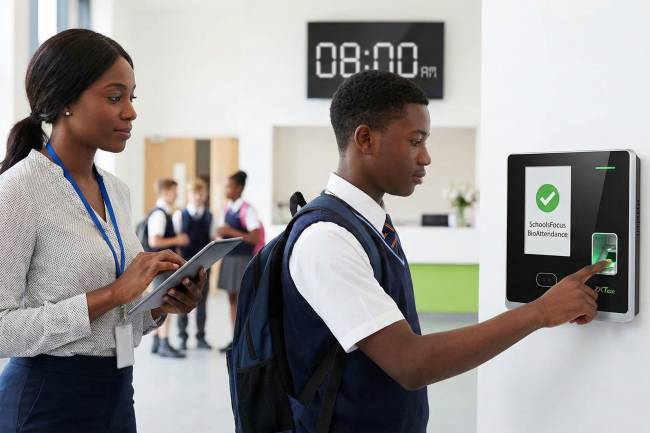
No formal attendance tracking for staff. Schools track student attendance religiously. Staff attendance is often done through a sign-in book that nobody checks until there is already a problem. A teacher who arrives thirty minutes late consistently, takes Friday mornings off, or is frequently absent during the first week of term can go unaddressed for an entire session simply because nobody has a clear picture of the pattern.
Appraisals that never happen. Most school owners have good intentions when it comes to reviewing staff performance. But without a structured process and a calendar to enforce it, appraisals get pushed to next term, then next session, then never. Staff do not know how they are performing. Poor performance is addressed only when it becomes a crisis. And strong performers like Mrs. Obiageli leave because nobody thought to ask how they were doing.
What Proper Staff Management Actually Looks Like
Running a school with good staff management does not require a human resources department. It requires a few systems, applied consistently.
Every staff member should have a complete file from their first day. Appointment letter, signed. Credentials, copied and verified. Role description, clearly documented. Emergency contact on file. These are not bureaucratic exercises. They are the foundation of a professional employment relationship, and they protect both the school and the staff member if there is ever a disagreement.
Payroll should be calculated from a reliable record, not reconstructed from memory each month. Every staff member should know exactly how their salary is computed, what deductions apply, and when payment will be made. When this is clear and consistent, salary disputes almost never arise. When it is not, they become a recurring drain on everyone's energy.
Attendance records should exist and be reviewed. Not as a tool for punishing staff, but as a management tool for understanding your school. A teacher who is absent frequently may be dealing with something that, if addressed early, could be resolved. A pattern that is ignored tends to worsen.
How SchoolsFocus Makes This Manageable
SchoolsFocus includes a full HR and payroll management module built specifically for schools. Staff profiles are stored digitally, including employment records, qualifications, and role details. Payroll is computed from the system, with salary structures, allowances, and deductions set up in advance so that each month's calculation is consistent and traceable. Staff attendance is tracked and reportable.
When a new member of staff joins, their information goes into the system from day one. When salary is paid, the record is in the system. When an inspector asks about your staffing, you have the data ready.
It does not replace the human side of managing people. The conversations, the encouragement, the attention to how your teachers are feeling in their roles, those are yours to give. But it removes the administrative gaps that turn staff management into a monthly crisis.
To see how it works, visit www.schoolsfocus.net or send a WhatsApp message to 08056176947.
The Part That Is Still Yours
Systems can track attendance. Systems can process payroll. Systems can store staff files and remind you when appraisals are due.
What no system can do is notice that one of your best teachers has gone quiet in the staffroom. That a class seems unsettled in a way that suggests something is wrong with the teacher, not the students. That a member of staff who used to stay late to get things done has started leaving exactly at closing time.
Those things require a proprietor who is present, who is paying attention, and who treats their staff like the professionals they are.
Build the systems. Then use the time they save you to be that kind of leader.


Leave a Reply
-


Safeguarding Student Data: Security and Data Privacy in...
-


Centralized Data Management: Streamlining School Operations...
-


Training your Students for the Future
-


10 Back to School Tips for Parents: How to Prepare Your...
-


Staying Up to Date in Your Profession as an Educator: The...
-


Collaboration: A Framework for an Effective School Management